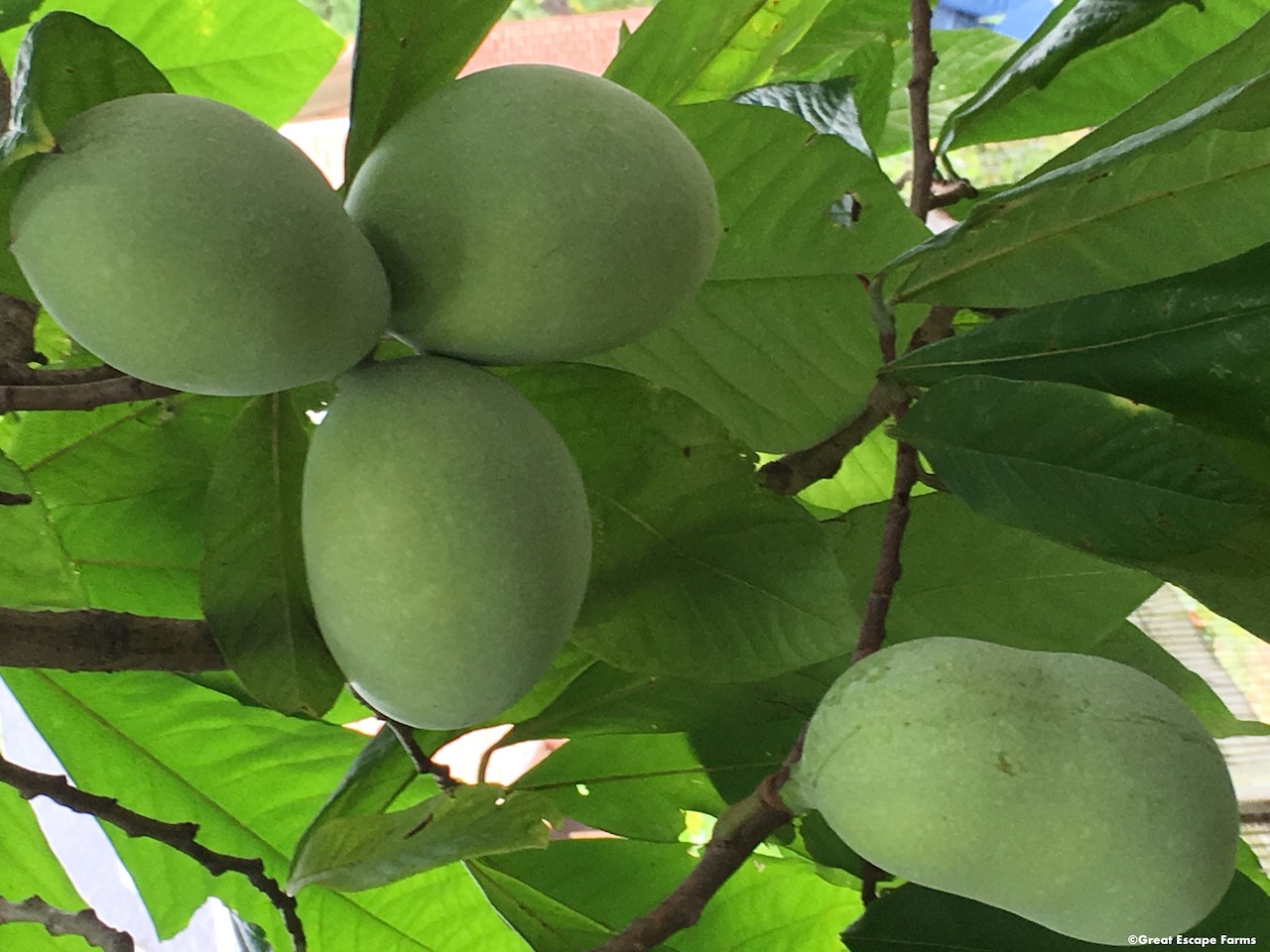
I’m a geek. That’s right, I’m a pawpaw geek. I spend a lot of time on learning about pawpaws, breeding pawpaws, selling pawpaw trees and fruit and speaking at pawpaw conferences. I’m also one of the organizers of the Pawpaw Festival in Paw Paw, WV. But enough about me – that’s probably not why you are here. I’ll bet you are here to find something out about pawpaws. Well…. You’ve come to the right place. The Pawpaw Geek web page I will consolidate various resources on pawpaws so you can find what you are looking for in one location.

Pawpapw Geek Introduction To Pawpaw Video
Below is an introduction to pawpaw video that was recorded in 2024 at the Paw Paw, WV festival. It gives you the 101 level of education so you know the right questions to ask after seeing it.
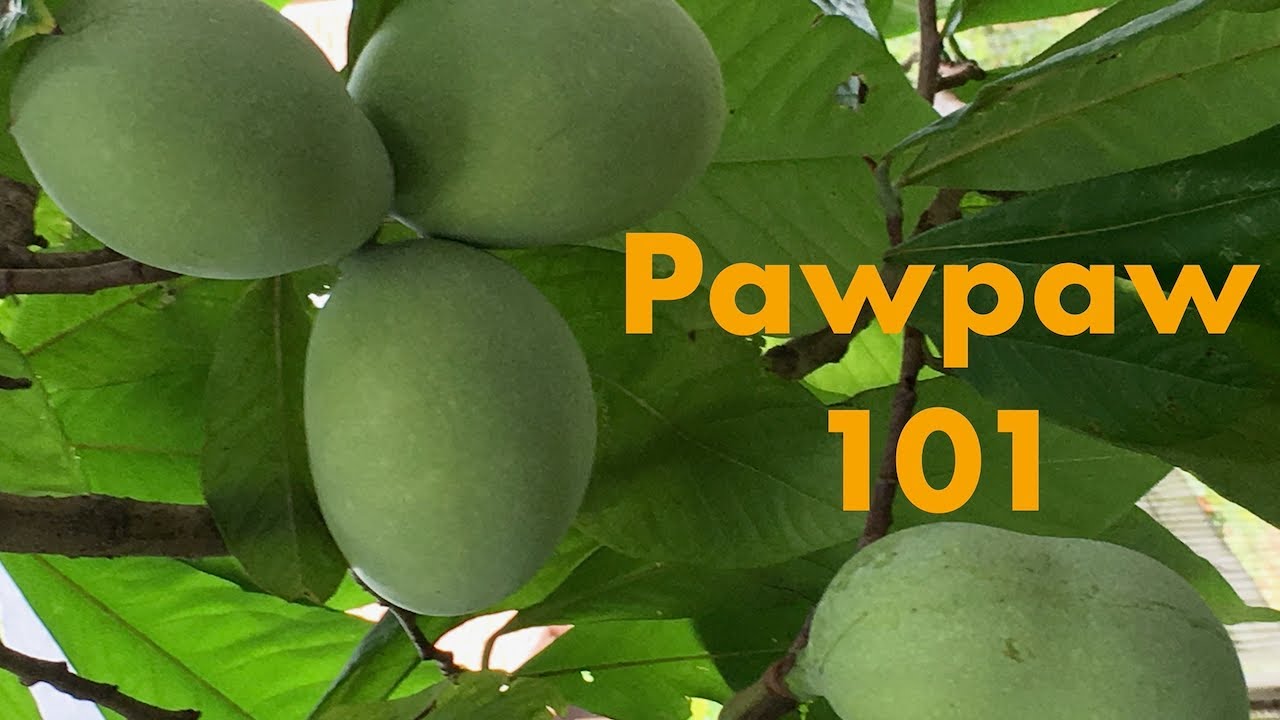
Saving and Planting Pawpaw Seeds
One of the questions that I get asked most is ‘how can I grow my own pawpaw trees?’ Well, that depends 🙂 You can harvest the seed yourself, stratify them, plant them, protect them from sun for two years, then give them full sun and you are off and running. Sounds complicated? Not really. Let me explain and then follow up with a video showing you how to do it.
Pawpaw seeds can be easily grown if you treat the seeds properly and mimic nature and the environment they want. Pawpaw seeds want to be kept moist in nice fertile soil and require a winter to break dormancy. You can do this by simply planting the seeds in the ground outside. However, moles, voles, squirrels, mice, rats, and any number of other critters like to dig up your seeds and move them or destroy them.
As a pawpaw grower, I avoid these obstacles by growing the seeds inside. I do a process called stratification. Basically, I’m mimicking winter in my refrigerator where no critters can get at them. Then, I take the seeds out of cold storage and plant them in February, giving me a 90 to 120 day jump on nature. I can plant the seeds inside and not worry about light until the shoots come above ground, which is usually in May.
Here is a video on the seed harvesting and stratification process.

And here is a follow up video on how to plant the seeds.
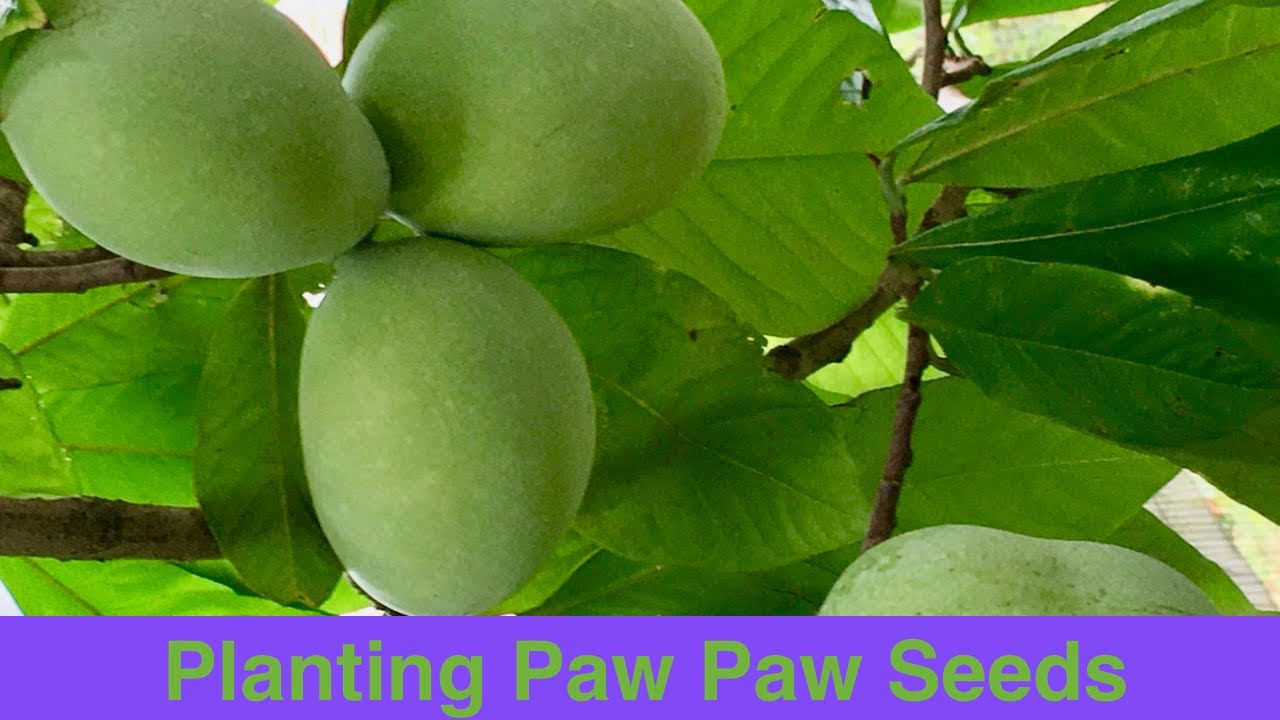
Transplanting Your Seedlings
If you have followed my method of growing pawpaw seeds, you have a lot of plants in one big pot. They will need to be potted up into their own pots. The video below shows how to pot them up but I do it a little different now. I actually plant them more densely and repot them in June or July, just a few months after they have sprouted. This saves me space on growing the seeds indoors and gives the plants a chance to grow much larger because they have plenty of space to get sun and grow out roots.
Transplating your Pawpaw Seedlings to their own pot – How the pawpaw geek does it.

The Final Planting – Pawpaw Geek Recommendations
After a year or so of growing out in a pot, it is time to plant them in the ground. Here is another area that a lot of people have issues. They hear rumors that pawpaws have to be planted in the shade or they have to be planted near a river. I’m going to show you how I plant mine in a minute, but let me explain how these rumors came to be.
Pawpaw trees need a minimum of 1 year of shade when first starting out and in many instances they benefit from 2 years of shade. If they do not get this and they are stressed, their leaves will sun burn, fall off, and the plant will die. Well how on earth do they ever survive in nature? They do the shade part naturally. When a pawpaw fruit falls to the ground in the fall, they are then covered with a bunch of leaves or eaten by a critter and dropped off in the critters waste which is then covered by leaves. This keeps the seeds wet and they stratify over winter.
The next summer they will sprout, sending down a long tap root and it could be August before they send a sprout above ground. They are usually buried in brambles and weeds and are slow growing above ground, so they never get above the weeds and brambles for the first year or two. Then, when they do get above the weeds and brambles and get sun, they take off and grow quickly because they have established roots and are prepared for fast growth.
How We Mimic This
We mimic this process by planting the trees where we want them, preferably in full sun and we provide artificial shade via a shade cloth or tree tube or some other method until the roots are established.
Check out the video on planting pawpaws and I’ll get into watering pawpaws in the next section.

The Pawpaw Geek on Water
While it is true that you will fine more pawpaw trees near rivers and streams than not, it’s not a requirement. We have over 100 pawpaw trees growing in a field far away from any water source. The trees do fine except in the drought where they look a little sad. When we get some rain or I get around to watering them, they look a good bit happier.
While many trees in nature appear close to the water, they are actually several feet above the water level. Pawpaw do not like ‘wet feet’ as they call it. This is where the roots are under water for an extended period of time. Pawpaw trees have very long tap roots and they can reach water at great depths.
Pawpaw Maintenance
Pawpaws do not like to compete with weeds and absolutely benefit from some mulch. They also like to be protected from the deer, mainly when they are young.
Here is a short video on some paw paw maintenance.

The Pawpaw Geek Prunes
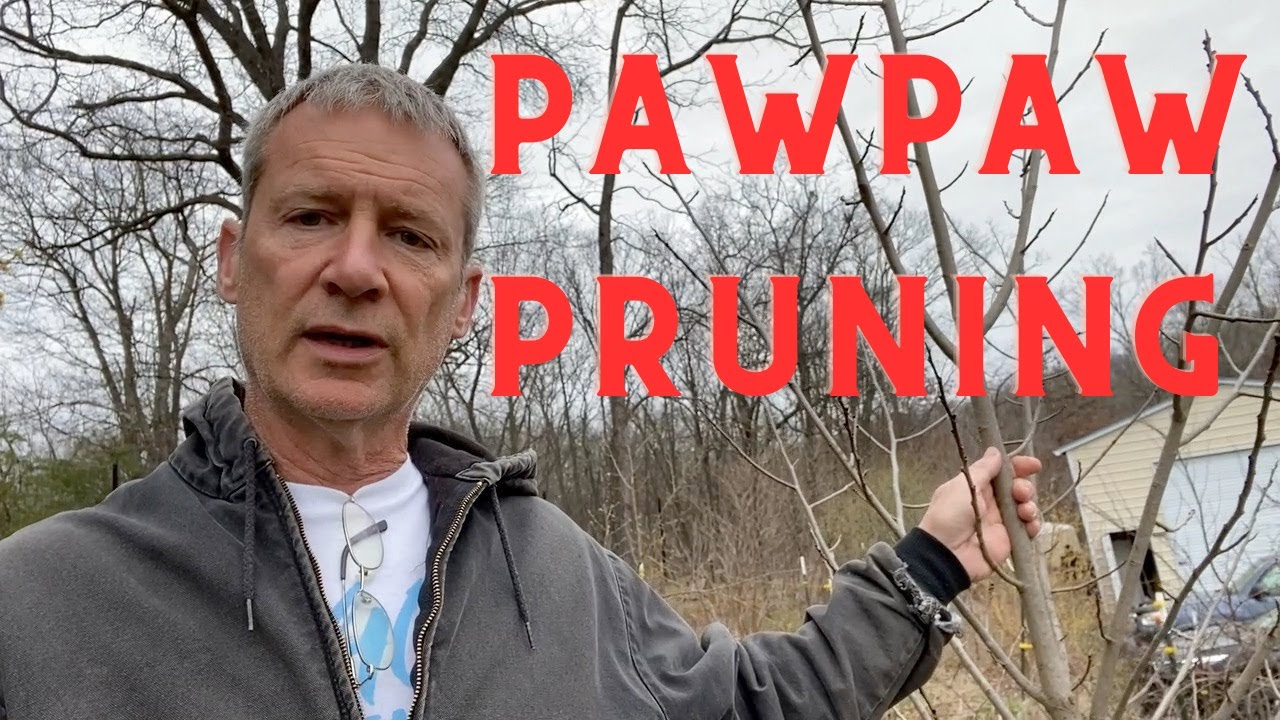
As your trees get larger you will likely want to prune them. You may need to prune out some damaged wood or some branches growing too close to the ground. You may just want to top the tree and try to get it to spread out vs. grow tall. There are many reasons you may want to prune. The video below shows you some of the pruning techniques.
Pollination the Pawpaw Geek Style
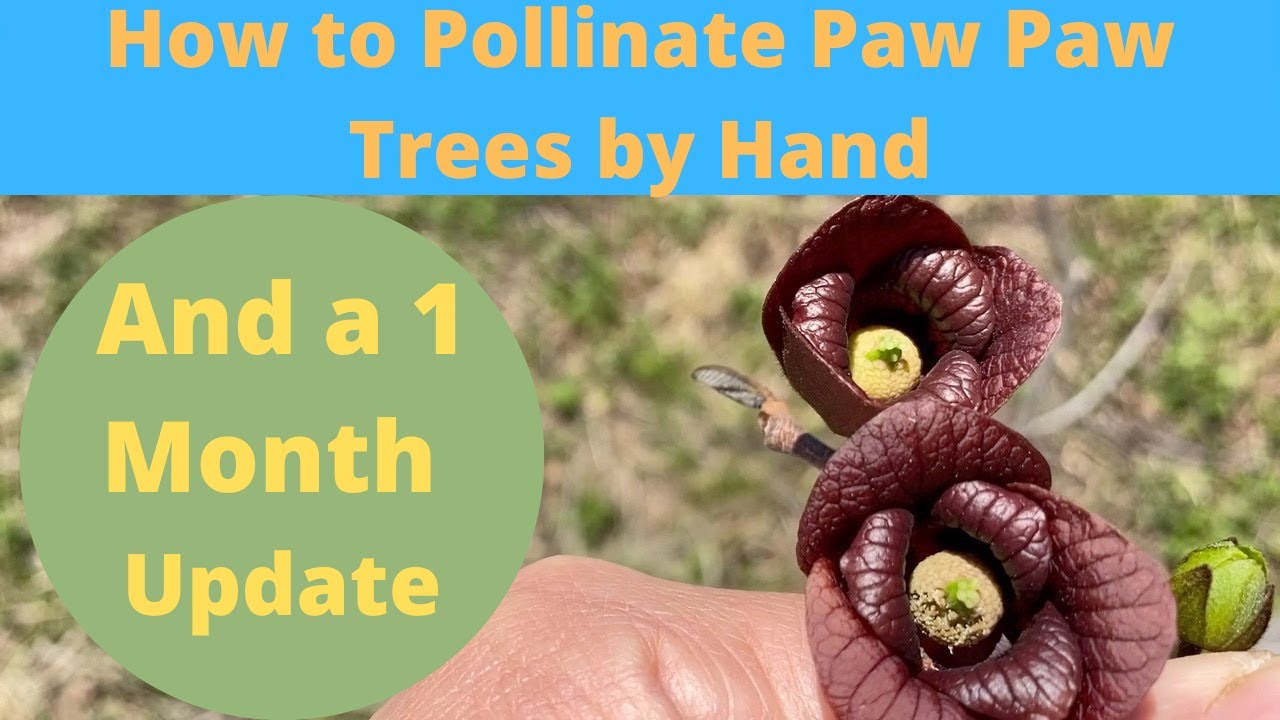
Pollination on pawpaws is not done via the bees and butterflies. Pawpaws have Fetid flowers which are pollinated by other insects. Fetid is the process of a flower giving off a smell that attracts certain types of insects for pollination. Some plants have a putrid smell kind of like rotting flesh. That is not the case for pawpaw flowers. They give off the smell of fermentation. So one of the natural best pollinators are insects attracted to fermentation, like fruit flies.
There are some rumors out there about putting road kill in an orchard to attract pollinators. This may help a little as flies attracted to the roadkill will hide in the flowers during the morning dew events. I’ve found better luck with throwing some rotten fruit out into the orchard. Think last years apples that are shriveling up in the fridge.
A less natural option but very reliable is to hand pollinate with an artists paint brush or a q-tip. Check out the video below on the differences in male and female flowers and how to hand pollinate.
Celebration
After all of the work you’ve done with your trees it’s time to celebrate! What better way to celebrate than a festival! There are many pawpaw festivals going on during the late summer and early fall. Below is an overview of the Ohio pawpaw festival I went to several years back. The Ohio festival is by far the largest around and one of my favorites.

Thanks for visiting the Pawpaw Geek!
Be sure to check out our other great plants for sale at Great Escape Nursery.
THANK YOU FOR VISITING, WE LOOK FORWARD TO ANSWERING ANY QUESTIONS
Great Escape Farms is now on Patreon! If you enjoy our work and want to help support us, please check out our Patreon page at: https://www.patreon.com/gef. You can support us for as little as $1.